Abbey Lee Kershaw’s Electric Presence Reigns Supreme in Mad Max: Fury Road
Abbey Lee Kershaw’s Electric Presence Reigns Supreme in Mad Max: Fury Road
In the desolate, sun-scorched landscape of
Though not a traditional central star, Kershaw’s role as one of the film’s central female figures—imbued with layers of quiet resolve beneath volatility—resonates across the sprawling wasteland. She plays a key operative in the war-torn echoes of a broken society, her presence a quiet storm amid the mayhem. Journalists and film analysts have repeatedly emphasized how Kershaw’s character embodies both vulnerability and latent power, a duality that elevates the script’s feminist undertones.
“Abbey Lee Kershaw doesn’t just act—she embodies,” noted critic David Ehrman of *Variety*. “Her silence speaks louder than dialogue, turning moments of stillness into breaks of narrative force.”
The Design and Depth Behind the Performance
Crafted through a blend of disciplined physicality and minimal expressiveness, Kershaw’s performance hinges on every gesture, posture, and glance. Costume and makeup designers collaborated to create armor and apparel that feel both battle-worn and symbolic—doesifferentiate survival from identity.Her worn leather, metallic accents, and tactical attire reflect not just function but a character shaped by survival, loss, and intermittent hope. This visual language aligns seamlessly with the film’s aesthetic: industrial decay fused with sculpted intensity. As costume designer Jenny Beavan explained, “We aimed to reflect a woman shaped by war but unbroken.
Abbey’s transformation in the garments mirrors her internal arc—raw, restrained, yet radiating inner tension.”
What truly distinguishes Kershaw’s role is the emotional restraint that amplifies tension. In scenes where dialogue is sparse, her ability to convey fear, rage, and fleeting trust through subtle cues—centered eyes, a tightened jaw, a sudden freeze—shapes audience empathy. This understated approach contrasts with the film’s stylized violence, creating a rare balance between realism and spectacle.
Technical Mastery on the Set of Fury Road
Filming Mad Max: Fury Road presented unprecedented logistical and physical challenges, yet Kershaw maintained a remarkable Consistency. Working under intense pressure with stunts, explosions, and non-linear shooting schedules, she delivered scene after scene with unwavering precision. Her commitment extended beyond performance—collaborating closely with stunt coordinators to ensure choreography matched her physicality, particularly in sequences demanding precision amid chaos.Interactions with the cast and crew underscore her professionalism. Director George Miller highlighted Kershaw’s adaptability: “Abbey brings a soldier’s discipline and a woman’s sharp instinct. On and off camera, she’s Sharp, focused, and fearless—absolutely electric.” Her role, though limited in spoken lines, became a narrative anchor through meticulous physical storytelling, reinforcing Fury Road’s central theme: resilience in the face of annihilation.
Cultural Impact and Legacy of a Silent Powerhouse
Abbey Lee Kershaw’s portrayal inThe moment Kershaw step into the frame—whether scaling a wrecked vehicle or absorbing a bullet with stoic composure—exerts a magnetic pull, embedding herself into cinematic memory. Film historians note this performance as a pivotal example of how understated roles can carry monumental weight. Her presence redefines what audiences expect from female characters in blockbusters: not just visible, but *felt*, shaping the emotional core even in silence.
Far from fading into a supporting role, Abbey Lee Kershaw’s Electric Road persists as a benchmark. She turns every pause into a pulse, every glance into a declaration. In Mad Max: Fury Road, Kershaw doesn’t just move through the wasteland—she defines it.
Her performance proves that power isn’t always roared; sometimes, it’s carried—quietly, unshakably, and utterly electrifying. 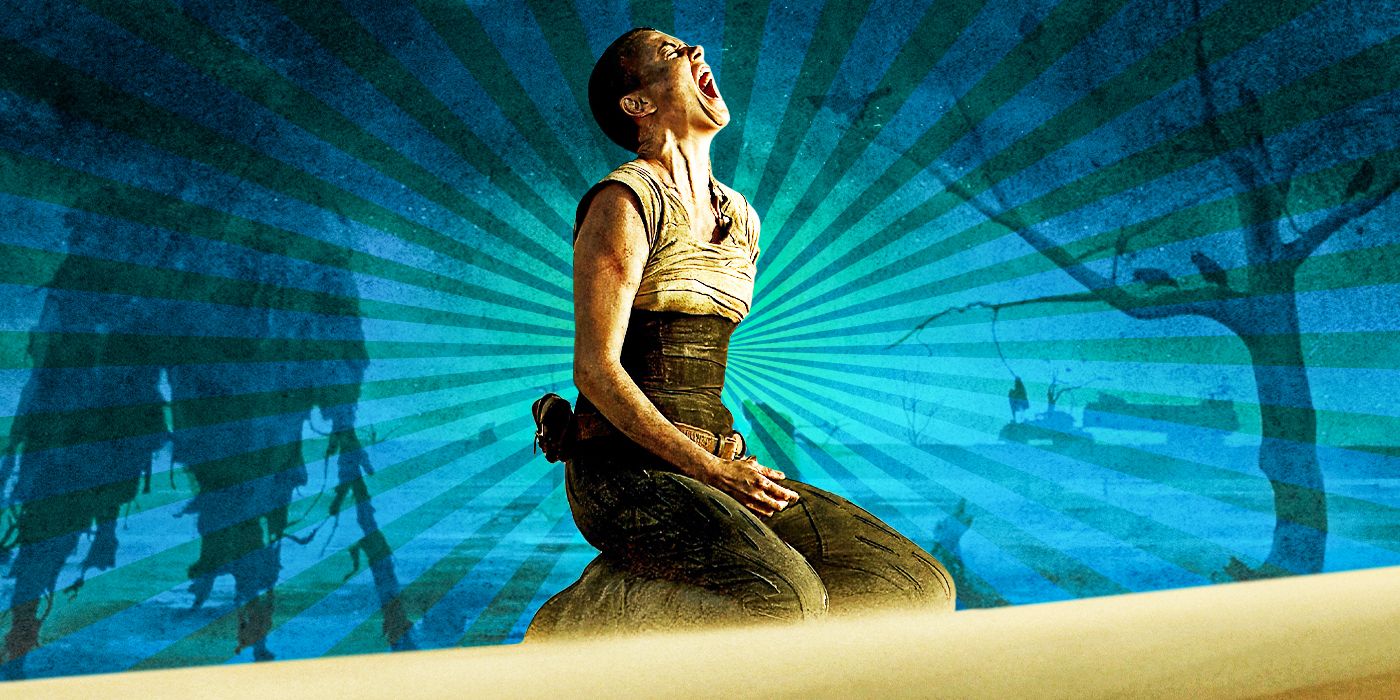



Related Post
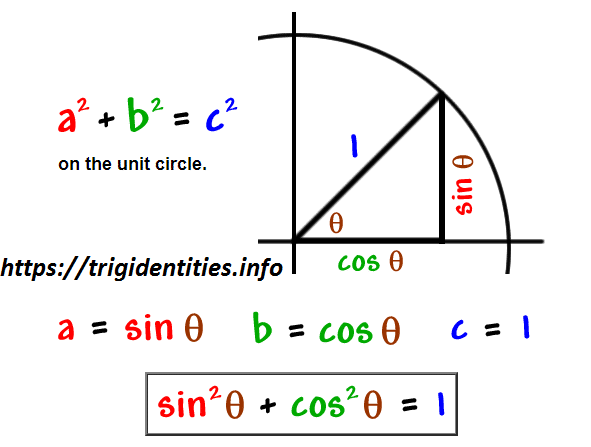
Unlocking Trigonometric Precision: How Pythagorean Truths Power Trig Identities

Juno Wright Unleashes the Future of Cultural Innovation at the Intersection of Technology and Human Experience

Coca-Cola Ice Vape: A Chilling New Flavor Experience That Freezes the Market
Paul Reubens: Peewee Herman’s Velocity Icon Dies at 70, Ends a Pub Crawl With Legacy That Endures</h2> In a twilight marked by both cinematic memory and untold facets of his life, Paul Reubens, the man behind the slobbery, eccentric, and outspoken Peewee Herman, passed away at 70. Known for redefining childhood rebellion on screen, Reubens’ death closes a chapter in American pop culture, one that blended vulgar humor with heartfelt authenticity. Once a household name from the 1980 hit film, his legacy extends far beyond the red-and-white striped shorts, now inseparable from the character who captured a generation’s cantankerous charm. <p>Born in Baltimore, Maryland, in 1952, Reubens emerged not just as an actor but as a performer unafraid of pushing boundaries. His embodiment of Peewee Herman—a defiant, snarly-haired antihero—blended physical comedy with sharp, streetwise dialogue that struck a chord with audiences hungry for authenticity. The Peewee Herman series, though commercially successful, often overshadowed Reubens’ broader artistic range. Few realize he appeared in Broadway plays, voice acting, and even avant-garde theater, proving his talents extended well beyond children’s television. As *Chicago Sun-Times* noted in its obituary, “Reubens was more than a child star—he was a performer who leveraged innocence into subversion.” <h3>A Career Built on Risk and Voice</h3> Reubens’ early career was defined by bold choices. Before Peewee, he starred in off-Broadway productions such as *The Spook Who Sat by the Door*, where his dramatic range simmered beneath the surface, hinting at complexity beneath the goof. With Peewee Herman, launched in 1985, he abandoned subtlety entirely: “Make them laugh, make them weird, make them remember,” Reubens once said, capturing the essence of his performative philosophy. The character’s signature voice—raspy, gravelly, dripping with sass—became iconic, a vocal signature recognized by millions. <p>The 1980s explosion of Peewee Herman’s films turned Reubens into a curious cultural paradox: a serious actor whose most beloved role was pure absurdity. Yet, in interviews, he insisted his performance was deliberate—a nuanced portrait of teenage defiance. “I didn’t play a cartoon character,” he explained. “I played a version of me—rough around the edges, protective of friends, screwed up, but loyal.” This authenticity resonated in an era increasingly skeptical of artificial corporate branding, making Peewee’s appeal timeless. <h2>Personal Life and Shadows Beyond the Spotlight</h2> Beyond the screen, Reubens navigated a life marked by both acclaim and private complexity. Always a confessed fan of rock ’n’ roll and jazz, his persona extended into music and visual art, though these pursuits rarely entered mainstream discourse. He resided in New York’s Greenwich Village, a neighborhood steeped in artistic tradition, maintaining long-standing friendships with peers across disciplines. <p>Despite the glare of fame, Reubens valued privacy fiercely. The Velvet Crimeoclub — a performance space and cultural hub — served as a sanctuary where he entertained trusted artists and writers. In rare public appearances, he spoke candidly of battling creative stagnation and the weight of typecasting, once remarking, “People remember the mask, not the man.” Such reflections humanized the performer, revealing layers beneath the red-and-white attire. <h3>Leadership, Mentorship, and the Legacy of Peewee</h3> Reubens’ influence reached beyond performance into mentorship. He supported emerging artists through workshops and collaborative projects, particularly those exploring boundary-pushing storytelling. The Peewee Herman Archive, now studied in theater programs, illustrates how he transformed personal quirks into universal themes of identity and belonging. <p>The character became a cultural touchstone, symbolizing youthful rebellion and resilience, but Reubens resisted reducing himself to a symbol. “Herman isn’t me,” he clarified in *Sun-Times* features, “he’s a story I inherited—and a story I continue telling, oddly enough, decades later.” This duality—public icon, private craftsman—defined his enduring presence. <h2>Enduring Impact: Why Peewee Herman Still Slaps the Nerve</h2> Even after the curtain fell, Peewee Herman retains pulse in internet memes, fashion revivals, and genre homages. His snarl, “You ya ridiculous—bury me!” echoes in viral clips and social commentary. Yet Reubens’ true legacy lies not in viral fame but in the authenticity he brought to every role. <p>Critics and fans alike praised his ability to fuse humor with emotional truth. As theater historian Dr. Elena Park observed, “Reubens taught audiences that vulnerability and absurdity coexist. He made slobberness feel sincere.” Whether in a Intervals show, a Broadway curtain call, or a private art session, Paul Reubens remained fundamentally creative—too often typecast, never fully understood. <h1>Paul Reubens, Peewee Herman’s Velocity Icon Dies at 70 — Ends a Velocity Legacy That Never Grew Old


